IELTS for Ireland 🇮🇪
IELTS scores for Ireland: study visas and university admission
Updated 19 August 2026
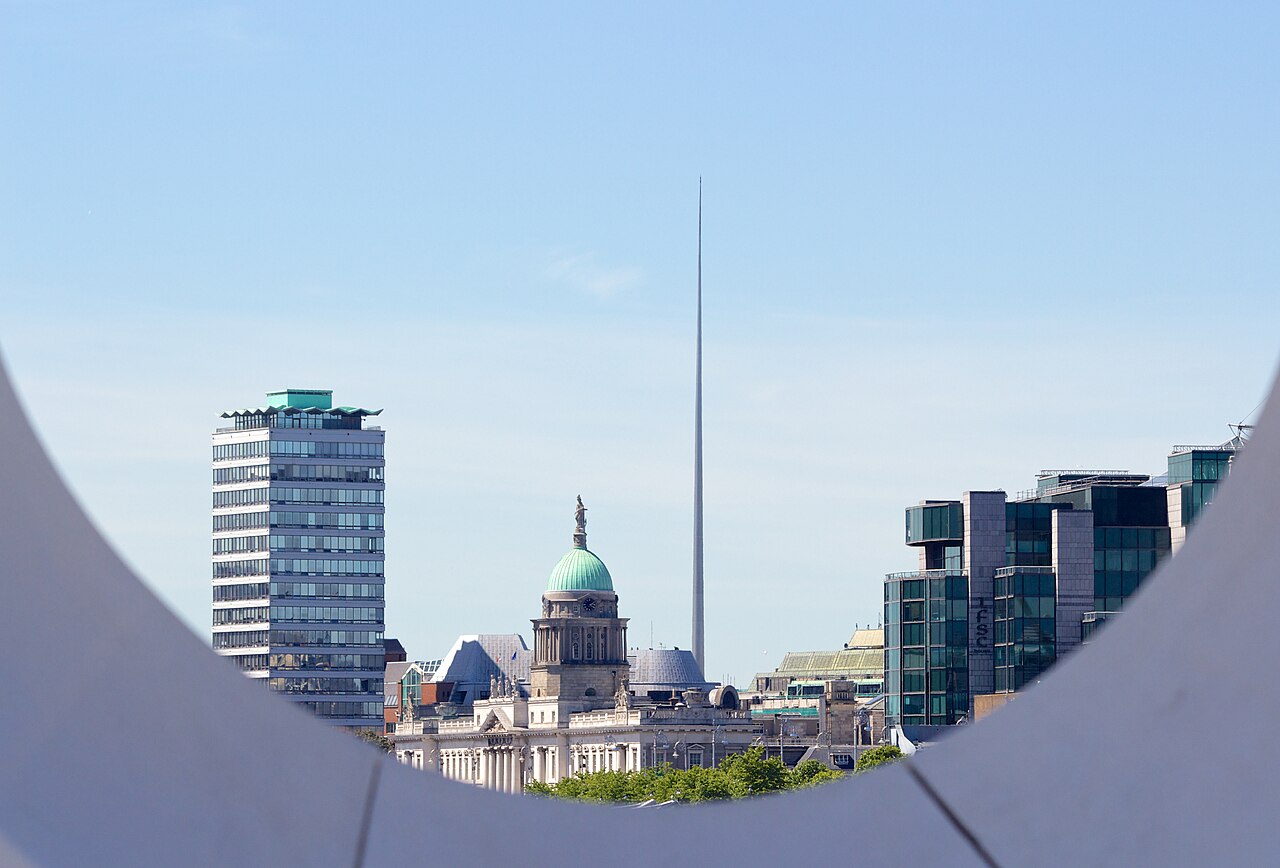
Ireland has two separate IELTS bars, and confusing them causes real pain. The immigration floor for a study visa is low — IELTS Academic 5.0 for degree-level courses — but that only gets you the visa. Your university sets the real requirement for admission, typically 6.0–6.5 overall. Both rules are below, taken from Immigration Service Delivery's official pages.
These are the immigration floors for visa purposes only. Your college's own admission requirement is separate and usually higher.
| Course type | IELTS Academic minimum |
|---|---|
| Degree and higher-education courses (NFQ 6–10) | 5.0 overall |
| Second-level, foundation and preparatory English courses | 4.0 overall |
| English language courses (25+ weeks) | No test required with the application — the visa officer may ask for other evidence of basic English |
Set by each institution, not by the government. Always check your exact programme.
| Level | Typical IELTS Academic |
|---|---|
| Undergraduate degrees | 6.0–6.5 overall, often no band below 5.5–6.0 |
| Postgraduate degrees | 6.5 overall, often no band below 6.0 |
| Competitive programmes (e.g. medicine, law) | 7.0+ overall |
The two layers: visa floor vs admission
For the visa itself, Ireland's Immigration Service Delivery asks for IELTS Academic 5.0 overall if you are taking a degree or other higher-education course, and 4.0 for second-level, foundation or preparatory English courses. That is one of the lowest official floors in any English-speaking country.
Do not plan around 5.0, though. The number that actually decides whether you can enrol is set by the university, and most want 6.0–6.5 overall. In practice, if you meet your university's requirement, you have automatically cleared the visa floor.
Your test certificate must be issued within two years of the course start date. Ireland currently also accepts online versions of approved tests.
Working in Ireland
Ireland's employment permits — including the Critical Skills Employment Permit — have no government-set IELTS requirement. English ability is assessed by the employer, not the immigration service.
The exception is regulated professions: bodies like the Nursing and Midwifery Board of Ireland set their own English tests for registration, separate from any visa. If you work in healthcare, check your regulator's requirement early.
Graduates of Irish degrees can stay on the Third Level Graduate Programme (Stamp 1G) — up to 12 months after a bachelor's, or 24 months after a master's or PhD — with no IELTS requirement attached.
Not sure what your scores add up to? Try the band score calculator.
Frequently asked questions
What is the minimum IELTS score for an Ireland study visa?
IELTS Academic 5.0 overall for degree-level and other higher-education courses, and 4.0 for second-level, foundation or preparatory English courses. This is the immigration floor only — your university will ask for more, usually 6.0–6.5.
Do I need IELTS Academic or General Training for Ireland?
For study, IELTS Academic. Irish immigration's study-visa table lists the Academic module, and universities require it for admission.
Is IELTS required to work in Ireland?
Not by the government — employment permits have no IELTS rule. Employers decide, and regulated professions like nursing set their own English requirements through their registration bodies.
How recent must my IELTS result be?
The certificate must have been issued within 2 years of your course's expected start date.
What is the ILEP and why does it matter?
The Interim List of Eligible Programmes is the official list of courses that qualify for a study visa. If your programme is not on the ILEP (or the TrustEd Ireland list), you cannot get a study visa for it.
Official sources
- Immigration Service Delivery — English language requirements for study visas
- Immigration Service Delivery — eligible courses (ILEP)
Requirements change. Always confirm the current rule on the official government page before you apply. ieltspractice.app is independent and not affiliated with IDP, Cambridge English, the British Council, or any government.